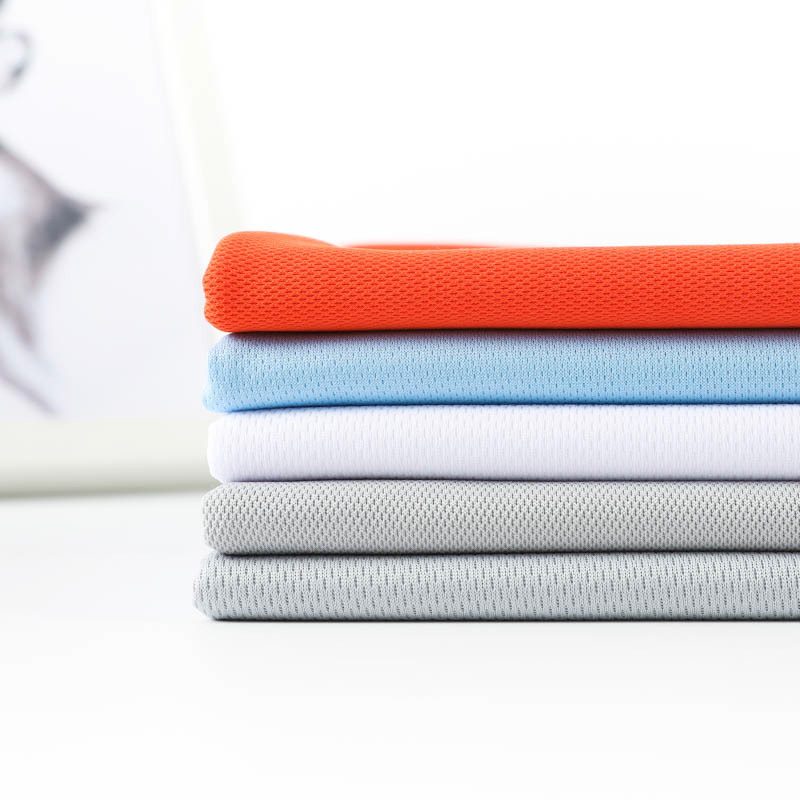
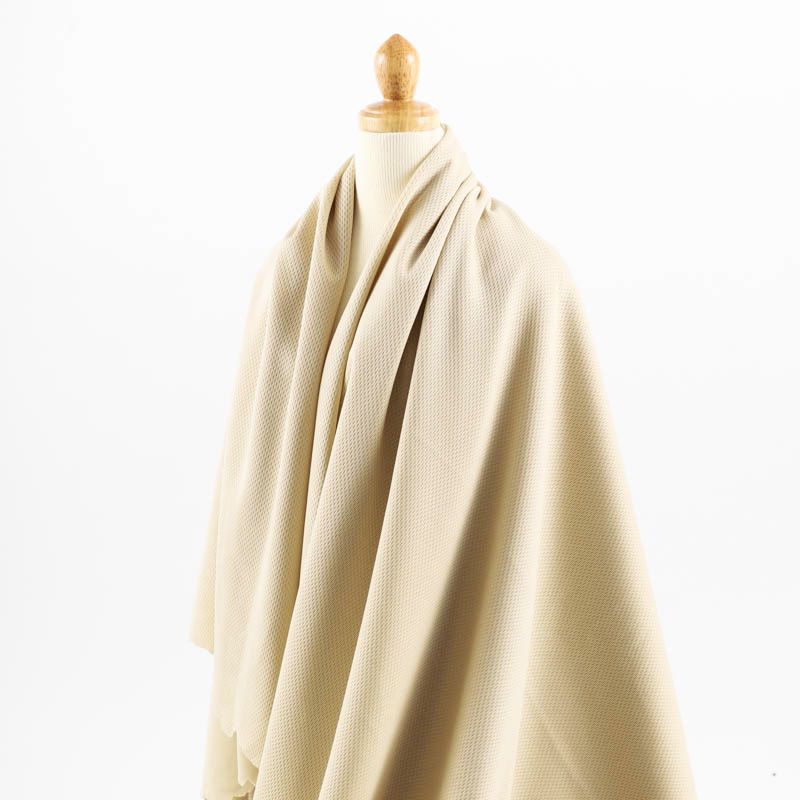
Šití z hedvábné tkaniny vyžaduje přesnost, správné nástroje a pochopení toho, jak se každý typ hedvábí chová. Zlaté pravidlo: vždy používejte jemnou jehlu (velikost 60/8 nebo 70/10), ostrou rotační řezačku a kratší délku stehu (1,5–2 mm), abyste zabránili svraštění a poškození látky. Ať už pracujete s tradičním hedvábím, mléčným hedvábím nebo ledovým hedvábím, úspěch pochází z přípravy a techniky – ne štěstí.
Tato příručka rozebírá praktické, testované metody pro každý typ tkaniny, abyste mohli dosáhnout čistých švů, hladkého splývavosti a profesionálních výsledků již od prvního střihu.
Pochopení rozdílů: hedvábí, mléčné hedvábí a ledové hedvábí
Před navlékáním nití do vašeho stroje je nezbytné vědět, s čím pracujete. Tyto tři látky mají hedvábný vzhled, ale výrazně se liší v obsahu vláken, roztažnosti a chování při šití.
| Majetek | Tradiční hedvábí | Mléčná hedvábná tkanina | Ledová hedvábná tkanina |
|---|---|---|---|
| Zdroj vlákna | Kokony bource morušového | Polyester mléčného proteinu | Směs viskózy nebo polyesteru |
| Protáhnout se | Minimální | Střední (roztažení ve čtyřech směrech) | Nízká až střední |
| Riziko uklouznutí | Velmi vysoká | Mírný | Vysoká |
| Citlivost na teplo | Vysoká | Střední | Střední–High |
| Typ jehly | Microtex 60/8–70/10 | Kuličkové nebo stretchové 75/11 | Microtex nebo ostrý 70/10 |
| Nejlepší provedení švu | Francouzský šev nebo serger | Serger nebo cikcak | Francouzský šev nebo serger |
Pochopení těchto rozdílů vám umožní upravit nastavení vašeho stroje, volbu jehly a techniku dokončování, než začnete – což výrazně snižuje chyby a plýtvání látkou.
Základní nástroje pro úspěšné šití hedvábné tkaniny
Používání nesprávných nástrojů je nejčastějším důvodem selhání projektů šití hedvábí. Zde je to, co skutečně potřebujete, než uříznete jediný palec:
- Microtex nebo ostrá jehla (velikost 60/8 nebo 70/10): Ty propíchnou hedvábí čistě, aniž by odsunuly nitě stranou, což zabraňuje zasekávání a přeskakování stehů.
- Rotační řezačka a samoopravná podložka: Nůžky táhnou a deformují kluzké hedvábí. Ostrá rotační řezačka poskytuje čistší a přesnější řezy.
- Jemné hedvábné špendlíky nebo zázračné spony: Silné kolíky zanechávají trvalé otvory. Používejte extra jemné hedvábné špendlíky a špendlíky pouze v rámci švů.
- Vycházková nebo teflonová noha: Ty zabraňují tomu, aby přítlačná patka přetahovala horní vrstvu látky dopředu, což způsobuje nerovnoměrné podávání.
- Hedvábný papír nebo stabilizátor: Umístěním pruhu hedvábného papíru pod látku během šití zabráníte jejímu vtažení do podavačů.
- Jemná polyesterová nebo hedvábná nit: Bavlněná nit je příliš silná a tuhá. Použijte 100% polyesterovou jemnou nit (40 nebo 60 hmotnostní) pro pevnost s minimálním objemem.
Investice do těchto nástrojů se okamžitě vyplatí — zkušení šici hlásí až o 70 % méně problémů s napětím a vrásněním jednoduše přepnutím na správnou kombinaci jehly a patky.
Jak stříhat hedvábnou látku, aniž by klouzala
Řezání je místo, kde se většina hedvábných projektů pokazí. Látka se posouvá, vzor se deformuje a vy skončíte s nepasujícími kousky. Chcete-li řezat s jistotou, postupujte podle této sekvence:
- Před řezáním látku vyperte a přitiskněte, abyste ji předem srazili a odstranili přebytečné barvivo nebo konečnou úpravu, která ji činí extra kluzkou.
- Položte látku na neklouzavý povrch. Umístěte pod něj velký list hedvábného papíru nebo řezací podložku, abyste zvýšili přilnavost.
- Kdekoli je to možné, používejte závaží vzoru místo kolíků, abyste se vyhnuli zkreslení.
- Řezejte pouze jednotlivé vrstvy. Řezání dvou vrstev hedvábí zvyšuje šanci na posun o téměř 50 %.
- Použijte rotační řezačku jedním plynulým a souvislým pohybem – neřežte tam a zpět.
- Značky přenášejte křídou nebo vodorozpustným fixem, nikdy ne kreslicím kolečkem, které by mohlo vazbu zachytit.
Konkrétně pro ledové hedvábí, lehké zamlžení povrchu vodou před řezáním může mírně snížit klouzání protože viskózová vlákna přilnou o něco lépe, když jsou mírně vlhká.
Nastavení stroje pro šití hedvábí: Rychlost, Napětí a Délka stehu
O nastavení stroje těsně před šitím nelze vyjednávat. Zde jsou doporučená nastavení pro každý typ tkaniny:
Tradiční hedvábí
- Délka stehu: 1,5–2 mm (kratší zabraňuje třepení)
- Napětí: Mírně nižší než výchozí (nejprve vyzkoušejte na šrotu)
- Rychlost: Pomalá a stabilní — ruční ovládání nebo režim nízké rychlosti
- Přítlak patky: Snižte o 20–30 %, pokud to váš stroj umožňuje
Mléčná hedvábná tkanina
- Délka stehu: 2–2,5 mm (o něco delší, aby se přizpůsobil natažení)
- Pro zachování pružnosti použijte úzký cikcak (šířka 0,5–1 mm) nebo strečový steh
- Vyhněte se zadnímu prošívání na začátku švu – místo toho svažte konce nití ručně, abyste zabránili vrásnění na namáhaných místech
- Kuličková jehla (velikost 75/11) je kritická – ostré jehly mohou propíchnout a oslabit strukturu pleteniny
Ledová hedvábná tkanina
- Délka stehu: 1,8–2,2 mm
- Pro maximální kontrolu použijte patku pro rovný steh se středovou polohou jehly
- Hedvábný papír pod švy zabraňuje nerovnoměrnému podávání látky
- Mírně snižte horní napětí – hladký povrch ledového hedvábí může způsobit smyčky nitě na spodní straně
Hedvábná tkanina na šití mléka: Čím se liší
Mléčné hedvábí (také nazývané tkanina z mléčného vlákna) se vyrábí extrakcí kaseinového proteinu z mléka a jeho smícháním s polyesterem nebo spandexem. Výsledkem je neuvěřitelně měkká, pružná tkanina s přirozeným leskem, která působí luxusně na pokožce. To je široce používáno v loungewear, kojenecké oblečení, a vypasované topy.
Klíčovou výzvou u mléčného hedvábí je jeho roztažnost v kombinaci s jeho jemností. Zde je na co se zaměřit:
- Vždy používejte propisku nebo napínací jehlu. Mléčné hedvábí je pletenina. Ostrá jehla může vytvořit mikrotrhliny, které jsou viditelné až po umytí.
- Serger preferován před standardním strojem. Serger (overlockový stroj) lépe zvládá natažení a současně obaluje hranu. Použijte 3- nebo 4-nitný overlockový steh.
- Při šití látku nenatahujte. Nechte krmné psy pohybovat látkou přirozeně. Tahání způsobuje zvlněné, zdeformované švy, které se neobnovují.
- Použijte úzký lem. Dvoujehlový lem na mléčném hedvábí poskytuje profesionální strečový lem, který dokonale napodobuje konfekční oděvy.
- Před šitím vyperte. Mléčné hedvábí se může při prvním praní srazit až o 5 %. Předpírka vás ušetří od hotového oděvu, který již nesedí.
Šití ledové hedvábné tkaniny: Zvládněte výzvu Cool-Touch
Ledové hedvábí je marketingový termín pro látky – obvykle viskózové hedvábí, polyester nebo směsi – které působí chladně a hladce na dotek. Je mimořádně oblíbený pro letní oblečení, ložní prádlo a podšívky na aktivní oblečení. Jeho charakteristickým znakem je velmi tekutý, kluzký závěs, který je výzvou i pro zkušené šičky.
Ledové hedvábí se ve stavebnictví chová podobně jako tradiční charmeuse nebo pískované hedvábí , což znamená, že kontrola skluzu je vaším hlavním zájmem.
- Použijte chodící nohu nebo systém dvojitého podávání. To synchronizuje pohyb obou vrstev a zabraňuje tomu, aby horní vrstva sklouzla před spodní.
- Nejprve ručně podlepete klíčové švy. Na zakřivených švech, jako jsou průramky nebo výstřihy, rychlá ruční podšívka na 3–4 mm udržuje vrstvy vyrovnané pro konečný steh.
- Ideální jsou francouzské švy. Ledové hedvábí se rychle třepe. Francouzský šev zcela obepíná všechny hrubé okraje, aniž by přidával objem – ideální pro lehké letní oděvy.
- Rozhraní strategicky. Aplikujte lehké tavné rozhraní na stojánky s límečkem, knoflíky a oblasti zipů, abyste zabránili roztažení a deformaci.
- Lisujte na mírném ohni a lisovacím hadříkem. Ledové hedvábí – zejména odrůdy na bázi polyesteru – se může roztavit nebo trvale lesknout při teplotách nad 150 °C (300 °F).
Povrchové úpravy švů, které jsou nejlepší pro hedvábné tkaniny
Surové okraje na hedvábí se rychle třepí. Výběr správné úpravy švů zabrání poškození oděvu po několika vypráních. Zde jsou nejlepší možnosti seřazené podle výsledku:
- Francouzský šev — Nejlepší pro tkané hedvábí a ledové hedvábí. Uzavře všechny neopracované okraje. Nejlépe na rovné nebo jemně zahnuté švy. Použijte 6 mm přídavek na švy: sešijte špatné strany k sobě na 3 mm, stiskněte, složte pravé strany k sobě a znovu sešijte na 3 mm.
- Sered/overlocked šev — Nejlepší pro mléčné hedvábí a pletené hedvábí. Rychlý, silný a přizpůsobí se protažení. Pro lehké tkaniny použijte 3-nitný overlock.
- Konec v Hong Kongu — Přídavek na švy vázaný šikmou páskou. Dodává stylový nádech a je extrémně odolný. Nejlepší pro oděvy ze strukturovaného hedvábí, jako jsou blejzry nebo saka.
- Plochý šev — Extrémně odolný, plně uzavřený. Nejlepší pro hedvábné košile a oděvy, které se budou často prát.
- Cikcak zakončení — Základní strojový klikatý steh podél okraje. Vhodné pro středně těžké hedvábí a tam, kde je omezený čas. Použijte šířku stehu 2–3 mm.
Lisování a žehlení hedvábí: Průvodce teplotou a technikou
Lisování při nesprávné teplotě je nejrychlejší způsob, jak trvale zničit hedvábný oděv. Zde jsou bezpečné teploty žehlení pro každý typ tkaniny:
| Typ tkaniny | Maximální teplota železa | Je vyžadována lisovací tkanina? | Steam Safe? |
|---|---|---|---|
| Tradiční hedvábí | 148 °C / 300 °F | Ano – vždy | Používejte střídmě; může vodní skvrna |
| Mléko Hedvábí | 150 °C / 302 °F | Doporučeno | Ano, opatrně |
| Ledové hedvábí (Polyester) | 120 °C / 250 °F | Ano – zásadní | Vyhněte se přímé páře |
| ledové hedvábí (viskóza) | 190 °C / 374 °F | Doporučeno | Ano |
Vždy stiskněte – nikdy nežehlite pohybem tam a zpět. Mezi žehličku a látku použijte suchý lisovací hadřík a ihned po ušití, dokud je látka ještě teplá, švy rozevřete nebo na stranu. Lisování při šití je tím nejpůsobivějším zvykem pro výsledky v profesionální kvalitě.
Časté chyby a jak se jim vyhnout
I zruční šicíři dělají u hedvábných látek předvídatelné chyby. Jejich rozpoznání předem zabrání hodinám frustrace:
- Přeskočení zkušebního švu: Před prací na skutečném kusu vždy přišijte 15 cm (6 palců) zkušební šev na odřezek. Upravte napětí a délku stehu, dokud nebude šev ležet naplocho bez vrásek.
- Použití tupé jehly: Hedvábí vyžaduje zcela novou jehlu pro každý velký projekt. Jehla, která prošila 8 hodin jiné látky, je už na hedvábí příliš nudná.
- Vytahování švů ze stroje: Vždy odstřihněte konce nití – nikdy netahejte látku, dokud je stále pod přítlačnou patkou. Tahání napíná otvor jehly a způsobuje drobné trhlinky.
- Příliš mnoho nebo nesprávné připínání: U hedvábí je lepší méně špendlíků. Každý otvor pro čep je trvalý. Špendlíkujte pouze v rámci švu, rovnoběžně se švovou linií a špendlíky odstraňte dříve, než dosáhnou jehly.
- Vynechání stabilizace na mléčném hedvábí: Výstřihy a ramenní švy na mléčném hedvábí se trvale roztáhnou bez stehu nebo průhledné gumy. Před připojením dalších dílů vždy tyto oblasti stabilizujte.
- Ignorování linie zrna: Hedvábí odříznuté zrno se bude kroutit a nerovnoměrně viset. Věnujte více času přesnému zarovnání kousků vzoru podle linie zrna — chyba 1–2 stupně je na hotovém oděvu vizuálně zřejmá.
Péče a praní po šití: Ochrana hotového oděvu
To, jak pečujete o svůj hotový hedvábný oděv, určuje, jak dlouho bude vypadat co nejlépe. Zde jsou pokyny podle typu tkaniny:
Tradiční hedvábí
Ruční praní ve studené vodě s pH neutrálním pracím prostředkem. Neždímejte – jemně zatlačte na ručník, abyste odstranili vodu. Sušte naplocho nebo pověsit ve stínu. Chemické čištění je bezpečné, ale u doma šitých oděvů není vždy nutné.
Mléčná hedvábná tkanina
Lze prát v pračce na jemný cyklus při teplotě 30 °C (86 °F) nebo nižší. K ochraně tkaniny před oděrem použijte síťovaný sáček na prádlo. Úplně se vyvarujte bělení — chlór ničí strukturu vláken mléčné bílkoviny. Sušte v sušičce na nízkou teplotu nebo na vzduchu.
Ledová hedvábná tkanina
Jemné praní v pračce na 30°C nebo ruční praní. Ledové hedvábí na bázi viskózy výrazně zeslábne, když je mokré, proto s ním zacházejte jemně a nikdy ho nedrhněte. Ledové hedvábí na bázi polyesteru je odolnější, ale stále těží ze síťoviny. Suché pouze na vzduchu – sušičky mohou trvale deformovat tvar.